Treatments
- Home / Dr. Vaibhav Vira
- Diabetic Foot Management
- Chronic wounds & ulcers
- Pressure injuries
Pressure injuries
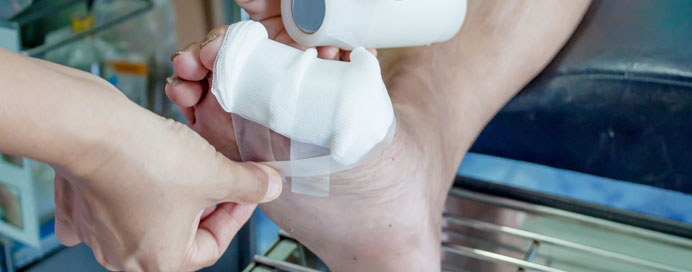
Pressure injuries in diabetic patients occur due to prolonged pressure on specific areas of the foot, especially in individuals with peripheral neuropathy and reduced mobility. Because of decreased sensation, patients may not feel discomfort or pain, allowing continuous pressure to damage the skin and underlying tissues. Common sites include the heel, toes, and plantar surface. If not identified early, these injuries can progress into deep ulcers and become infected. Proper prevention, early detection, and consistent care are essential to avoid complications.
Assessment and Risk Identification
Assessment focuses on identifying early signs of pressure damage and understanding contributing risk factors to prevent progression.
- Skin inspection: Check for redness, discoloration, or breakdown
- Pressure points: Identify high-risk areas like heels and bony prominences
- Neuropathy check: Assess loss of protective sensation
- Mobility status: Evaluate patient’s ability to change positions
- Footwear evaluation: Ensure proper fitting shoes to avoid excess pressure
Prevention and Management
Management aims to relieve pressure, protect the skin, and promote healing through appropriate interventions and patient education.
- Pressure offloading: Use cushions, padding, or special footwear
- Repositioning: Encourage frequent position changes to reduce prolonged pressure
- Skin care: Keep skin clean, dry, and moisturized
- Protective devices: Use heel protectors or orthotics
- Early treatment: Address minor injuries before they worsen

