Treatments
- Home / Dr. Vaibhav Vira
Cerebral palsy
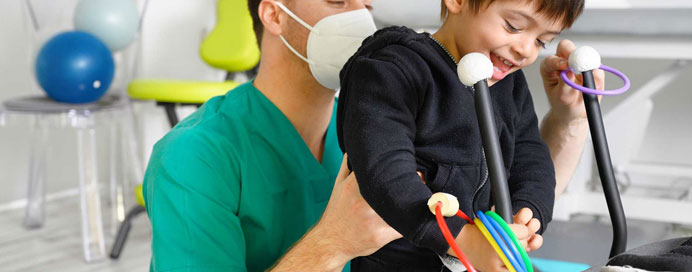
Cerebral palsy (CP) is a group of permanent neurological disorders that affect movement, posture, and muscle coordination due to damage to the developing brain, usually before or during birth. It does not worsen over time, but its symptoms can change as the child grows. Individuals with CP may experience difficulties with movement, balance, speech, and sometimes cognitive functions. Early intervention and continuous rehabilitation help improve independence and overall quality of life.
Symptoms and Functional Impact
The symptoms of cerebral palsy vary widely depending on the type and severity of the condition, and they can affect daily activities and development.
- Muscle stiffness (spasticity) or floppy muscle tone
- Difficulty with movement, balance, and coordination
- Delayed motor milestones like sitting or walking
- Speech and communication difficulties
- In some cases, associated issues like seizures or learning difficulties
Rehabilitation and Management
Management of cerebral palsy focuses on maximizing functional abilities and supporting overall development through a team-based approach.
- Physical therapy to improve strength, flexibility, and mobility
- Occupational therapy for daily living skills
- Speech therapy for communication and swallowing issues
- Use of assistive devices like braces, walkers, or wheelchairs
- Medications or interventions to manage spasticity

