Treatments
- Home / Dr. Vaibhav Vira
- Musculoskeletal & Pain Disorders
- Neck & Back Pain
- Joint Pain (Shoulder, Knee, Hip, etc.)
- TMJ pain
- Central post-stroke pain
- Complex Regional Pain Syndrome (CRPS)
- Dystonia pain (cervical, torticollis, hand dystonia, hemifacial spasm)
- Degenerative joint disease & arthritis
- Degenerative disc disease of spine
- Neuropathic pain
- Vasculitis pain
- Visceral pain
- Sports concussion
- Fibromyalgia
- Myofascial pain
- Peripheral neuropathy (Trigeminal neuralgia, compression neuropathies)
- Headaches & migraine
- Chronic pelvic pain
Chronic pelvic pain
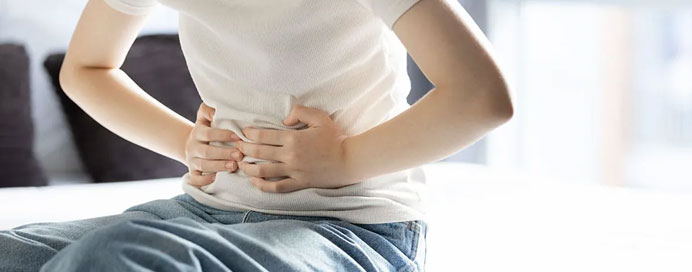
Chronic pelvic pain is a long-standing pain condition felt in the lower abdomen or pelvic region that persists for more than 3 to 6 months. It can affect both men and women, though it is more common in women, and may arise from multiple systems including gynecological, urinary, gastrointestinal, musculoskeletal, or nerve-related causes. The pain can be constant or come and go, ranging from a dull ache to sharp, severe discomfort. It often affects daily activities, sleep, and emotional health, making proper diagnosis and a multidisciplinary treatment approach important.
Causes & Symptoms
Chronic pelvic pain can develop due to various underlying conditions, and symptoms often overlap, making diagnosis complex. Common causes include endometriosis, pelvic inflammatory disease, bladder disorders, irritable bowel syndrome, muscle tension, and nerve-related issues. The pain may be linked to certain activities or bodily functions and can radiate to nearby areas like the lower back or thighs.
- Persistent dull, aching, or sharp pain in the pelvic region
- Pain during menstruation, urination, bowel movements, or intercourse
- Associated symptoms such as bloating, fatigue, and lower back pain
Treatment & Management
Management of chronic pelvic pain depends on identifying the underlying cause and addressing symptoms through a combination of treatments. A comprehensive approach helps improve comfort and overall quality of life.
- Medications such as pain relievers, hormonal therapy, or antibiotics
- Pelvic floor physiotherapy and regular exercise
- Stress management, counseling, and in some cases, surgical treatment

