Treatments
- Home / Dr. Vaibhav Vira
- Cancer Rehabilitation
- Cancer pain management
- Post-treatment functional recovery
- Palliative care
- Lymphedema management
Cancer pain management
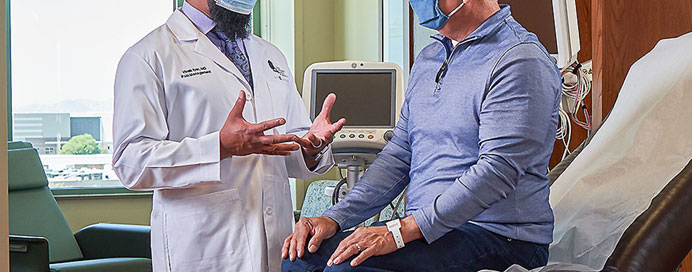
Cancer pain management is a crucial component of cancer rehabilitation aimed at reducing pain, improving function, and enhancing the overall quality of life of patients. Pain in cancer can arise from the tumor itself, treatment procedures such as surgery, chemotherapy, or radiation, or from associated complications. It may be acute or chronic and can significantly affect physical activity, sleep, emotional well-being, and daily functioning. Effective pain management requires a multidisciplinary approach that combines medical treatment with physical and psychological interventions tailored to the individual’s needs.
Comprehensive Pain Management Approach
Managing cancer-related pain involves a combination of pharmacological and non-pharmacological strategies to achieve optimal relief and improve patient comfort. Medications such as analgesics (including opioids and non-opioids), anti-inflammatory drugs, and adjuvant therapies are commonly used based on the severity and type of pain. Alongside medication, physiotherapy plays an important role through techniques like gentle exercises, stretching, posture correction, and modalities such as heat or cold therapy to reduce discomfort and maintain mobility. Psychological support, including counseling and relaxation techniques, helps patients cope with emotional distress associated with chronic pain. Additionally, patient education about pain management strategies, proper medication use, and lifestyle modifications ensures better compliance and long-term relief.
- Medication management: Use of appropriate analgesics and adjuvant drugs as prescribed
- Physiotherapy interventions: Exercises, stretching, and pain-relief modalities
- Relaxation techniques: Breathing exercises, meditation, and stress reduction
- Psychological support: Counseling to manage anxiety, depression, and fear
- Functional training: Maintaining mobility and independence in daily activities

