Treatments
- Home / Dr. Vaibhav Vira
- Geriatric Disorders
- Age-related degeneration
- Osteoporosis
- Geriatric muscle disorders
Osteoporosis
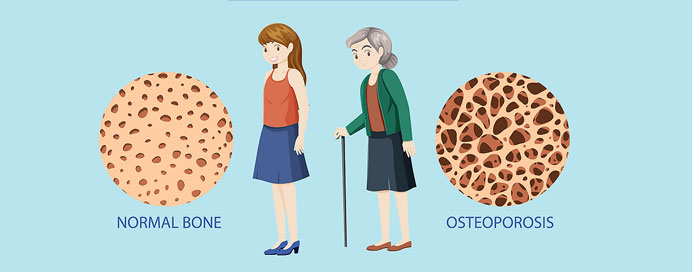
Osteoporosis is a common age-related condition characterized by decreased bone density and deterioration of bone structure, making bones fragile and more prone to fractures. It is especially prevalent in older adults, particularly postmenopausal women, due to hormonal changes and reduced calcium absorption. Common fracture sites include the hip, spine, and wrist, which can significantly impact mobility and independence. The condition often progresses silently without symptoms until a fracture occurs, making early screening and prevention very important.
Management and Prevention
Management of osteoporosis focuses on strengthening bones, preventing fractures, and maintaining functional independence. This includes adequate intake of calcium and vitamin D, along with medications such as bisphosphonates when prescribed. Weight-bearing and resistance exercises play a key role in improving bone strength and balance, thereby reducing the risk of falls. Lifestyle modifications such as quitting smoking, limiting alcohol intake, and ensuring a safe home environment are also important. Regular bone density screenings and medical follow-ups help in early detection and effective long-term management.

