Treatments
- Home / Dr. Vaibhav Vira
- Geriatric Disorders
- Age-related degeneration
- Osteoporosis
- Geriatric muscle disorders
Age-related degeneration
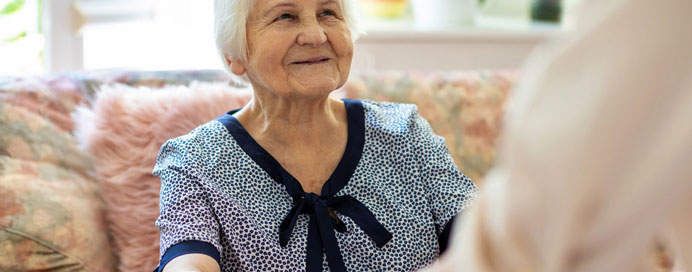
Age-related degeneration refers to the gradual decline in structure and function of body systems that occurs with advancing age. It commonly affects the musculoskeletal, neurological, cardiovascular, and sensory systems, leading to reduced strength, joint flexibility, balance, and coordination. Conditions such as osteoarthritis, osteoporosis, sarcopenia (loss of muscle mass), and cognitive decline are often associated with this process. These changes increase the risk of falls, disability, and reduced independence in older adults. Early recognition and appropriate management can help slow progression and maintain quality of life.
Management and Preventive Strategies
Management focuses on maintaining functional independence, preventing complications, and improving overall well-being through a holistic approach.
- Regular exercise: Strength training, flexibility, and balance exercises to maintain mobility
- Nutritional support: Adequate intake of protein, calcium, and vitamins (especially Vitamin D)
- Fall prevention: Home modifications and use of assistive devices if needed
- Medical management: Treatment of underlying conditions like arthritis or osteoporosis
- Cognitive stimulation: Activities to maintain memory and mental function
- Lifestyle modification: Avoid smoking, limit alcohol, and maintain a healthy routine

