Treatments
- Home / Dr. Vaibhav Vira
- Neuro Rehabilitation
- Amyotrophic Lateral Sclerosis (ALS)
- Cervical spondylotic myelopathy
- Stroke rehabilitation
- Speech, language & swallowing disorders
- Spinal cord injury (traumatic & non-traumatic)
- Parkinson’s disease rehabilitation
- Encephalopathies
- Traumatic brain injury
- Multiple sclerosis
- Neurogenic bladder & bowel
- Spasticity management
Amyotrophic Lateral Sclerosis (ALS)
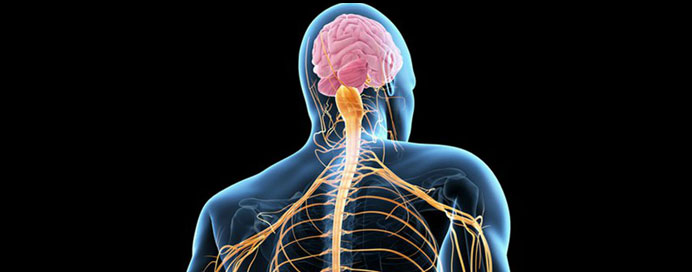
Amyotrophic Lateral Sclerosis is a progressive neurological disorder that affects nerve cells responsible for controlling voluntary muscle movement. In this condition, motor neurons in the brain and spinal cord gradually degenerate and die, leading to loss of muscle control. Early symptoms may include muscle weakness, twitching (fasciculations), stiffness, and difficulty speaking or swallowing. As the disease advances, it can cause severe muscle paralysis, impacting breathing and other essential functions. Although the exact cause is often unknown, a small percentage of cases are inherited. While there is currently no cure, treatments and supportive care can help manage symptoms and improve quality of life.
Causes & Symptoms
ALS occurs due to damage to motor neurons, but the exact cause is unclear in most cases. It may involve a combination of genetic and environmental factors.
- Gradual muscle weakness, especially in hands, arms, or legs
- Muscle twitching, cramps, and stiffness
- Difficulty speaking, swallowing, or breathing
- Progressive loss of movement leading to paralysis
- In some cases, linked to genetic mutations (familial ALS)

