Treatments
- Home / Dr. Vaibhav Vira
- Neuro Rehabilitation
- Amyotrophic Lateral Sclerosis (ALS)
- Cervical spondylotic myelopathy
- Stroke rehabilitation
- Speech, language & swallowing disorders
- Spinal cord injury (traumatic & non-traumatic)
- Parkinson’s disease rehabilitation
- Encephalopathies
- Traumatic brain injury
- Multiple sclerosis
- Neurogenic bladder & bowel
- Spasticity management
Encephalopathies
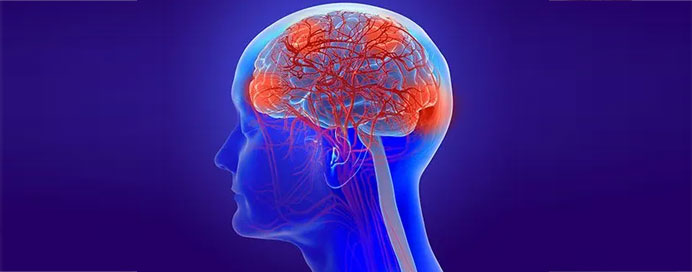
Encephalopathies refer to a group of conditions that affect the structure or function of the brain, leading to altered mental status, cognitive impairment, or neurological deficits. These disorders can be caused by various factors such as infections, metabolic imbalances, toxins, lack of oxygen, or systemic diseases. The severity can range from mild confusion to severe brain dysfunction, and early diagnosis along with proper management is essential to prevent long-term complications.
Causes and Types of Encephalopathies
Encephalopathies can arise due to different underlying conditions, and identifying the cause is crucial for effective treatment and recovery.
- Metabolic causes such as liver failure (hepatic encephalopathy) or kidney dysfunction
- Hypoxic encephalopathy due to lack of oxygen supply to the brain
- Infectious causes like viral or bacterial infections
- Toxic encephalopathy from drug overdose or poisoning
- Traumatic brain injury leading to chronic encephalopathy
Symptoms and Management
The symptoms vary depending on the severity and cause but often affect mental and neurological functions. Management focuses on treating the underlying cause and supportive care.
- Confusion, memory loss, or reduced awareness
- Difficulty in concentration and thinking
- Changes in behavior or personality
- Seizures or abnormal movements in severe cases
- Treatment of underlying cause (e.g., toxins, infection, metabolic imbalance)
- Supportive care including medications and rehabilitation therapies

