Treatments
- Home / Dr. Vaibhav Vira
Duchenne & Becker muscular dystrophy
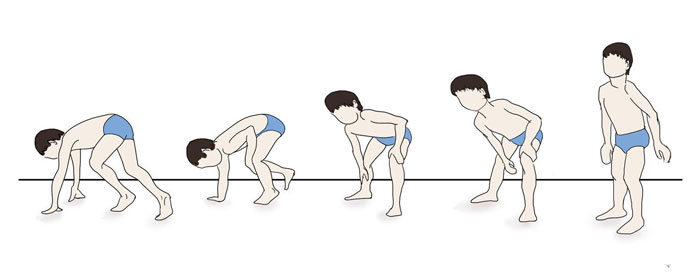
Duchenne and Becker muscular dystrophy are genetic disorders characterized by progressive muscle weakness due to the absence or deficiency of a protein called dystrophin. Duchenne muscular dystrophy (DMD) is more severe and begins in early childhood, while Becker muscular dystrophy (BMD) is milder and progresses more slowly, often appearing in adolescence or early adulthood. These conditions primarily affect boys and gradually impact mobility, muscle strength, and eventually heart and respiratory function. Early diagnosis and supportive care can help improve quality of life and slow disease progression.
Differences Between Duchenne & Becker
- Duchenne begins in early childhood, Becker usually starts later
- Duchenne progresses rapidly, Becker has slower progression
- Dystrophin is absent in Duchenne, partially present in Becker
- Loss of walking ability occurs earlier in Duchenne
- Becker patients often remain mobile for a longer time
Symptoms and Progression
- Progressive muscle weakness, especially in legs and hips
- Difficulty in walking, running, or climbing stairs
- Frequent falls and fatigue
- Enlargement of calf muscles (pseudohypertrophy)
- Heart and respiratory muscles may get affected over time

