Treatments
- Home / Dr. Vaibhav Vira
- Musculoskeletal & Pain Disorders
- Neck & Back Pain
- Joint Pain (Shoulder, Knee, Hip, etc.)
- TMJ pain
- Central post-stroke pain
- Complex Regional Pain Syndrome (CRPS)
- Dystonia pain (cervical, torticollis, hand dystonia, hemifacial spasm)
- Degenerative joint disease & arthritis
- Degenerative disc disease of spine
- Neuropathic pain
- Vasculitis pain
- Visceral pain
- Sports concussion
- Fibromyalgia
- Myofascial pain
- Peripheral neuropathy (Trigeminal neuralgia, compression neuropathies)
- Headaches & migraine
- Chronic pelvic pain
Dystonia pain (cervical, torticollis, hand dystonia, hemifacial spasm)
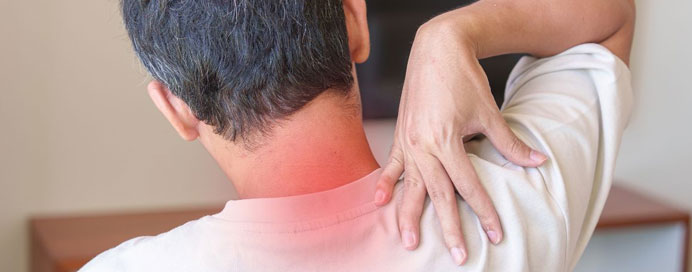
Dystonia is a neurological movement disorder in which involuntary muscle contractions cause abnormal movements, twisting, and postures, often accompanied by significant pain. This pain results from continuous muscle overactivity, leading to strain, stiffness, and fatigue. Dystonia can affect different body parts such as the neck, hands, or face, and may arise due to genetic factors, nerve dysfunction, injury, or as a side effect of certain medications. The condition can vary from mild discomfort to severe pain that interferes with daily activities and overall quality of life.
Cervical Dystonia (Torticollis)
Cervical dystonia, also known as torticollis, affects the neck muscles, causing the head to twist, tilt, or turn in an abnormal position. It is one of the most common and painful forms of dystonia and can significantly limit neck movement and daily functioning.
- Persistent neck pain and stiffness that may radiate to shoulders
- Involuntary head movements, tremors, or jerky motions
- Difficulty maintaining a normal head position, worsening with stress or activity
Hand Dystonia (Writer’s Cramp)
Hand dystonia primarily affects fine motor skills and is often triggered during specific activities like writing or typing. It leads to abnormal hand postures and reduced coordination.
- Cramping, tightness, or pain in the hand and fingers
- Loss of coordination and difficulty performing precise tasks
- Involuntary finger movements or excessive gripping
Hemifacial Spasm
Hemifacial spasm involves involuntary contractions of muscles on one side of the face, usually starting near the eye and spreading to other facial areas. It can cause discomfort and visible twitching.
- Repeated twitching or spasms on one side of the face
- Tightness or pulling sensation in facial muscles
- Increased blinking or eye irritation due to muscle contractions
Causes of Dystonia Pain
Dystonia pain occurs due to abnormal signaling in the brain areas responsible for muscle control and coordination. It can be primary or secondary to other conditions.
- Genetic factors or unknown (idiopathic) causes
- Brain injury, stroke, infections, or neurological disorders
- Side effects of certain medications affecting the nervous system
Symptoms of Dystonia Pain
Symptoms vary depending on the affected area but generally involve both movement abnormalities and pain-related discomfort.
- Muscle spasms, stiffness, and abnormal postures
- Twisting or repetitive movements with pain or fatigue
- Symptoms worsening with stress, fatigue, or voluntary movement
Treatment & Management of Dystonia Pain
Management focuses on reducing muscle contractions, relieving pain, and improving daily function through a combination of therapies.
- Medications such as muscle relaxants and anticholinergics
- Botulinum toxin (Botox) injections to control muscle overactivity
- Physical therapy, stress management, and in severe cases, surgical options like deep brain stimulation

