Treatments
- Home / Dr. Vaibhav Vira
- Neuro Rehabilitation
- Amyotrophic Lateral Sclerosis (ALS)
- Cervical spondylotic myelopathy
- Stroke rehabilitation
- Speech, language & swallowing disorders
- Spinal cord injury (traumatic & non-traumatic)
- Parkinson’s disease rehabilitation
- Encephalopathies
- Traumatic brain injury
- Multiple sclerosis
- Neurogenic bladder & bowel
- Spasticity management
Parkinson’s disease rehabilitation
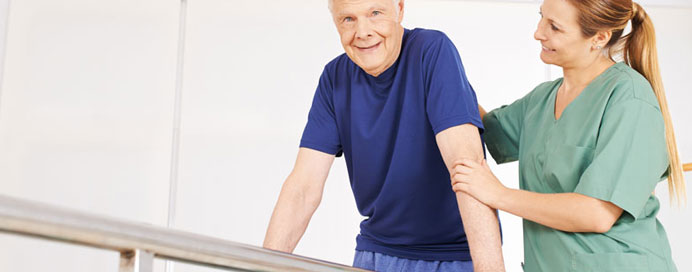
Parkinson’s disease rehabilitation focuses on improving movement, balance, and overall quality of life in individuals affected by this progressive neurological disorder. As Parkinson’s disease impacts motor functions like walking, coordination, and speech, rehabilitation plays a key role in maintaining independence and slowing functional decline. A multidisciplinary approach involving physical, occupational, and speech therapy helps patients manage symptoms effectively and stay active for as long as possible.
Physical and Functional Rehabilitation
Rehabilitation for Parkinson’s disease primarily targets movement-related difficulties such as stiffness, tremors, and slow movements. Regular therapy helps improve mobility, posture, and daily functioning.
- Exercises to improve balance, coordination, and flexibility
- Gait training to enhance walking pattern and reduce fall risk
- Strength training to maintain muscle function
- Posture correction to reduce stiffness and pain
- Occupational therapy for daily activities like dressing and eating
Speech and Cognitive Support
Parkinson’s disease can also affect speech, communication, and cognitive abilities. Targeted therapies help patients maintain clarity in speech and mental functions.
- Speech therapy to improve voice clarity and volume
- Techniques to manage swallowing difficulties
- Cognitive exercises to support memory and attention
- Strategies to improve communication skills
- Emotional support to manage anxiety and depression

