Treatments
- Home / Dr. Vaibhav Vira
- Musculoskeletal & Pain Disorders
- Neck & Back Pain
- Joint Pain (Shoulder, Knee, Hip, etc.)
- TMJ pain
- Central post-stroke pain
- Complex Regional Pain Syndrome (CRPS)
- Dystonia pain (cervical, torticollis, hand dystonia, hemifacial spasm)
- Degenerative joint disease & arthritis
- Degenerative disc disease of spine
- Neuropathic pain
- Vasculitis pain
- Visceral pain
- Sports concussion
- Fibromyalgia
- Myofascial pain
- Peripheral neuropathy (Trigeminal neuralgia, compression neuropathies)
- Headaches & migraine
- Chronic pelvic pain
Degenerative joint disease & arthritis
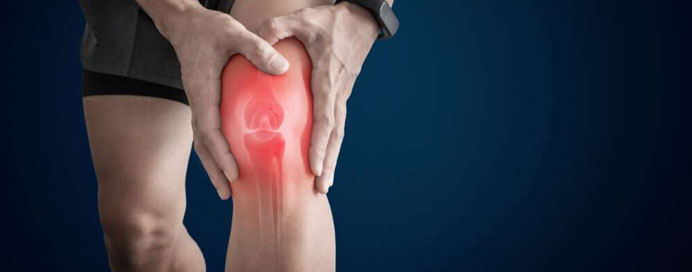
Degenerative joint disease, commonly known as osteoarthritis, is a chronic condition in which the protective cartilage that cushions the ends of bones gradually wears down over time. This leads to pain, stiffness, swelling, and reduced joint mobility. Arthritis is a broader term that includes various joint disorders, but degenerative arthritis is the most common type, often affecting weight-bearing joints such as the knees, hips, spine, and hands. It usually develops with aging but can also be influenced by injury, obesity, genetics, or repetitive stress on the joints. Over time, the condition can impact daily activities like walking, climbing stairs, or even simple movements.
Causes & Risk Factors
Degenerative joint disease develops due to a combination of mechanical wear and biological changes within the joint, leading to cartilage breakdown and joint inflammation.
- Aging and natural wear and tear of joints over time
- Previous joint injuries, repetitive movements, or overuse
- Obesity, which increases stress on weight-bearing joints
Symptoms of Degenerative Joint Disease & Arthritis
Symptoms usually develop gradually and worsen over time, affecting joint function and comfort.
- Joint pain during or after movement
- Stiffness, especially after periods of rest or in the morning
- Swelling and tenderness around the joint
- Reduced range of motion and flexibility
- Grinding or clicking sensation during joint movement
Treatment & Management
Management focuses on relieving pain, maintaining joint function, and slowing disease progression through lifestyle changes and medical care.
- Medications such as pain relievers and anti-inflammatory drugs
- Physical therapy and regular low-impact exercises to strengthen muscles
- Weight management to reduce stress on joints
- Use of supportive devices like braces or orthotics
- In advanced cases, surgical options such as joint replacement may be considered

